Different Types Of Dyslexia Explained: Key Differences, Symptoms, And Treatments
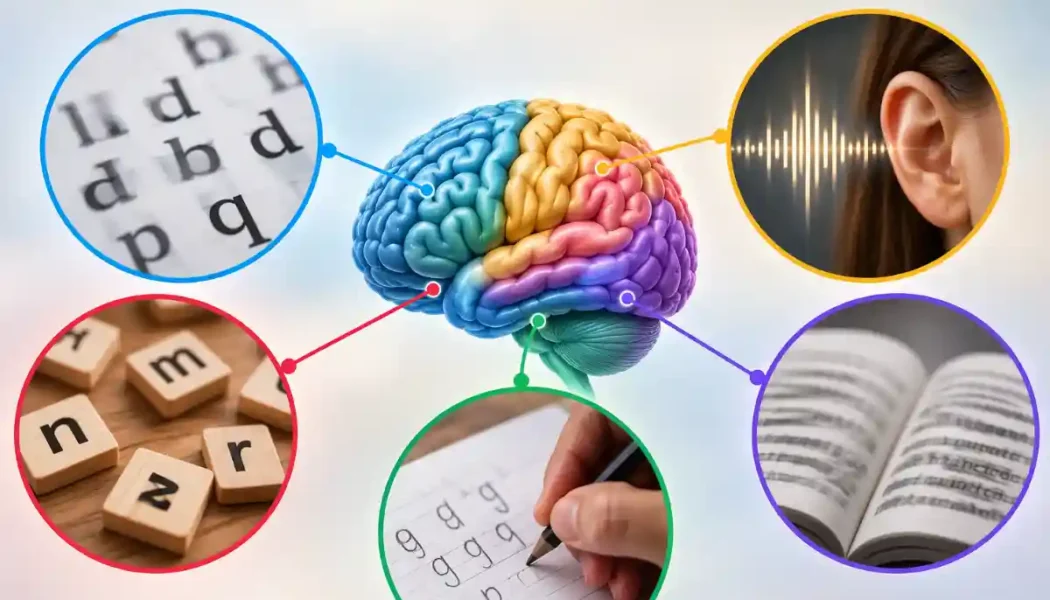
Dyslexia is a series of learning disabilities that affects how your brain processes written language. This lifelong neurobiological condition makes it harder to read accurately and fluently and often affects spelling, writing, and decoding skills. People with dyslexia may struggle to connect letters to sounds, sound out unfamiliar words, quickly recognize common words, or spell.
There are two main types of dyslexia: developmental dyslexia, which is present from childhood, and acquired dyslexia, which begins after a brain injury, stroke, or other neurological damage.
In this guide, you will learn about dyslexia and its impact on a person’s reading and learning abilities, the different types of dyslexia, dyslexia symptoms in children and adults, and dyslexia treatment options.
Dyslexia And Its Impact On Reading And Learning
Dyslexia is a neurodevelopmental condition that affects your reading and language skills because of differences in brain growth and function. It can be present from birth (developmental dyslexia) or acquired after a head injury or illness (acquired dyslexia), and is not caused by low intelligence, laziness, or poor vision. Most people are diagnosed with the condition as children, but adults can also have dyslexia; it is fairly common, affecting roughly 1 in 14 people worldwide.
The brain-based condition affects reading and learning by making it harder to connect letters with speech sounds, recognize words quickly, decode unfamiliar words, and spell. When it comes to reading, a person may struggle to decode words into syllables, making it difficult for them to sound out new or longer words; familiar words may not be automatically understood, so they put extra effort and attention into reading; their reading is often slow or hesitant, and they may need to read a text several times to understand it; their spelling may be inconsistent, and writing can take longer because recalling letter sequences and organizing ideas is harder.
Dyslexia also makes it harder to remember information and learn subjects independently. It can affect the person’s memory for verbal sequences, organization, planning, and tasks such as learning a new language. They may understand an explanation perfectly when it’s spoken, but struggle to articulate the same information in writing.
What Are The Different Types Of Dyslexia
Healthcare professionals have classified dyslexia based on its cause, which includes:
- Developmental Dyslexia: A type of dyslexia you are born with or inherited from a family member.
- Acquired Dyslexia: Acquired or trauma dyslexia can occur after an injury or illness that affects your brain.
In addition to the cause type, dyslexia also has subcategories based on how people experience dyslexia symptoms, and they are the following:
- Phonological Dyslexia: This affects a person’s phonemic awareness, meaning their ability to break words down into individual sounds is impaired. People can often process and understand whole words, but have difficulty decoding and sounding out individual sounds.
- Surface Dyslexia: People with surface dyslexia have trouble recognizing whole words, especially ones that aren’t spelled the same way they sound. This makes it harder for them to memorize and remember words, even if they’ve learnt them before.
- Rapid Naming Dyslexia: Rapid naming dyslexia causes trouble remembering letters, colors, and numbers quickly. It involves difficulties both with reading pace and language processing.
- Double Deficit Dyslexia: People with double deficit dyslexia have issues with rapid naming and phonological awareness. Also called mixed dyslexia, it demonstrates symptoms of both phonological and rapid naming dyslexia.
- Visual Dyslexia: This type is often caused by issues with parts of the brain involved in visual processing. People with visual dyslexia have a hard time remembering what they just read, or face difficulty spelling, forming letters, and writing.
- Deep Dyslexia: This is a type of acquired dyslexia that stems from trauma to the left side of the brain. Deep dyslexia affects a person’s ability to sound out nonsense words and involves making semantic errors, where they substitute one word for a related one while reading – like saying “feline” for “cat.”
Dyslexia Symptoms In Children and Adults
Signs of dyslexia can differ by the person’s age. This is because your brain continues to grow and learn as you get older. A teacher may be the first to notice clues that may indicate dyslexia in children due to school activities involving reading and writing. Let’s take a look at how dyslexia symptoms appear in children and adults.
Dyslexia In Children
1. Preschoolers (Ages 3-5):
- Have difficulty learning or recognizing letters
- Late talking
- Has trouble forming words correctly
- Difficulty rhyming words
- Mixes up words that sound similar
2. Kindergarten and School Age (5-13)
- Difficulty reading simple words after learning letter sounds
- Trouble remembering letters even after practice
- Spells words in different ways or incorrectly
- Avoiding tasks that involve reading
- Reading slowly or needing to reread text several times to get it right
- Relying on memory, context, or listening instead of reading written information
Dyslexia In Adults
Teens and Adults
- Difficulty reading out loud or feeling embarrassed or anxious about reading in front of people
- Trouble spelling or writing words clearly
- Mispronouncing names or words, or issues with retrieving words
- Spending too much time completing reading or writing tasks
- Difficulty summarizing a story
- Trouble learning a foreign language
Dyslexia Treatment
Dyslexia is a lifelong condition with no cure, but there are multiple ways to support learning and make reading easier. Because each person’s cognition is unique, healthcare professionals and educators create a tailored treatment plan that fits your specific needs. These include:
Specialized Instruction: Teaching methods that use sight, sound, and touch to strengthen a person’s reading and spelling skills.
School Support: Making arrangements in the classroom for students with dyslexia, such as allowing extra time on tests, oral testing, and modified assignments.
Workplace Support: You can request accommodations at work, like written instructions or flexible training materials.
Assistive Technology: Using tools like audiobooks, text-to-speech software, or word processors to make reading and writing feel less stressful.
Counseling or Therapy: Mental health professionals can help manage the anxiety or frustration related to reading challenges.
Structured Literacy Programs: These programs teach how to break words into parts and also help with understanding newer or longer words.
Home-Based Activities: Reading out loud, listening to audiobooks, and practising language skills can build confidence and strengthen skills.
Conclusion
Dyslexia is a neurobiological condition affecting the brain that impairs your ability to read, spell, write, and process language. It has two main causes: developmental dyslexia, where it is inherited from a parent or family member, and acquired dyslexia, which results from an injury to the brain.
Dyslexia symptoms manifest across ages, ranging from late talking and difficulty rhyming words in preschoolers to slow reading, spelling errors, and difficulty learning a new language in adults. The illness is categorized based on its symptoms, such as phonological, surface, rapid naming, double deficit, visual, and deep dyslexia.
Keep in mind that dyslexia is unrelated to intelligence, vision, or lack of effort. While the condition is lifelong, it can be effectively managed with tailored interventions, including structured literacy programs, assistive technology, specialized instruction, and work or school accommodations, drastically improving reading fluency and self-confidence.
If you or a loved one shows signs of dyslexia, such as slow reading or difficulty pronouncing unfamiliar words, consult a psychologist or neurologist to obtain a formal evaluation and personalized support plan.
FAQs
1. What are the four main types of dyslexia?
The four main types of dyslexia are: phonological dyslexia, surface dyslexia, rapid naming dyslexia, and double deficit dyslexia.
2. Is dyslexia a form of ADHD?
No, dyslexia is not ADHD. They are two distinct neurodevelopmental conditions, but they often occur together.
3. What is phonological dyslexia?
Phonological dyslexia is the most common type of dyslexia. A person with the condition has difficulty breaking down words into sounds and connecting those sounds to letters, making it hard for them to sound out new words.
4. What is surface dyslexia?
Surface dyslexia affects a person’s ability to recognize familiar words by sight, especially irregularly spelled words. They may still sound the words out but read them slowly or incorrectly.
5. What is rapid naming dyslexia?
Rapid naming deficit dyslexia makes it hard to quickly name letters, numbers, colors, or objects. It involves difficulty with language processing and reading pace.