
Dyspraxia vs Apraxia: Key Differences, Symptoms, Causes, And Treatment
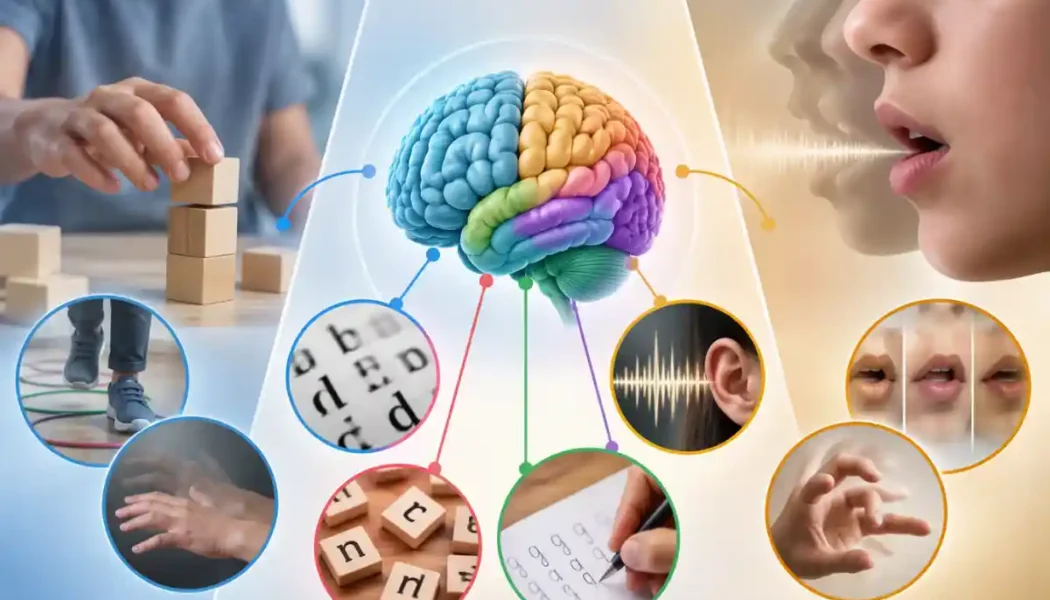
Both dyspraxia and apraxia involve difficulty planning and coordinating voluntary movements. Dyspraxia is a developmental condition that causes partial difficulty in planning or coordinating purposeful movements; it affects coordination, balance, and motor planning. Meanwhile, apraxia is a neurological condition that causes a complete loss of the ability to carry out a learned, purposeful movement despite having the capability, understanding, and willingness to do so.
In this guide, you will learn about dyspraxia vs apraxia, their symptoms, causes, and types, and how both conditions are diagnosed and treated.
What Is Dyspraxia
Dyspraxia, also known as developmental coordination disorder (DCD), is a lifelong, brain-based neurodevelopmental condition that affects fine and gross motor skills, motor planning, and coordination. The chronic illness begins in childhood and causes a wide range of issues related to movement and coordination, with some noticeable at an early age, while others only become apparent as the child gets older.
It can make everyday skills, such as handwriting, dressing, riding a bicycle, or playing sports, harder. Dyspraxia is not muscle weakness, but rather the result of your brain having trouble organizing the sequence of movements. Some people also have difficulties with speech, perception, planning, and attention.
Dyspraxia Symptoms
Dyspraxia symptoms in kids and adults include:
- Clumsiness, frequent tripping, bumping into objects, or dropping things
- Poor balance and timing
- Difficulty running, hopping, jumping, riding a bike, or kicking a ball
- Difficulty learning new physical skills, such as swimming, dancing, or driving
- Trouble with posture, sitting still, or controlling arm and leg movements
- Messy, slow, or effortful handwriting
- Problems with handling small objects
- Difficulty with self-care tasks such as dressing, grooming, or using tools
There is no single cause for dyspraxia, but being born preterm and having a low birth weight puts you at a higher risk of being diagnosed with dyspraxia. Research suggests that it has more to do with differences in the way neurons in the brain develop, affecting how your brain sends signals to the rest of the body to coordinate actions.
Dyspraxia Types
Health professionals classify dyspraxia based on which problems are affecting you, including:
- Verbal Dyspraxia: This condition affects the coordination between the mouth, tongue, and lips to create speech, making it difficult to pronounce words clearly. The person may have slurred speech that is hard to understand.
- Constructional Dyspraxia: Trouble drawing, copying, or assembling objects because the brain has difficulty processing spatial relationships. They can see the object, understand the task, and physically use their hands, but still fail to complete it.
- Ideational Dyspraxia: This is difficulty planning and carrying out the correct sequence of steps in a familiar, multi-step task. The person may understand the task and be able to perform individual movements, but cannot organize those actions into a proper sequence.
- Ideomotor Dyspraxia: This is difficulty reproducing a learned movement or gesture on command, even though the person understands the instructions and knows what the movement should look like.
What Is Apraxia
Apraxia is a neurological condition that makes people unable to carry out a learned, purposeful movement or task on request, even though they fully understand it, want to do it, and have muscle strength and coordination. It stems from disrupted brain planning of movement, not from weakness or paralysis.
Apraxia is usually caused by brain damage, commonly from stroke, brain injury, tumor, or a neurodegenerative disease. The neurological damage keeps the brain from forming and giving instructions to the rest of the body, affecting you in several different ways.
Apraxia Symptoms
Apraxia symptoms include:
- Trouble completing familiar, sequenced tasks such as dressing, buttoning, tying shoelaces, brushing teeth, or using a tool correctly
- Difficulty using gestures such as waving goodbye or showing how an object is to be used
- Problems with precise hand, arm, leg, or facial movements, such as typing, drawing, or writing, smiling, coughing, whistling, or winking
- Distorted sounds and inconsistent pronunciation of the same word
- Searching for the right sound or word
- Difficulty carrying out a movement when asked, even if the person can do it automatically
Apraxia Types
There are multiple types of apraxia, with each affecting your body in different ways
Verbal Apraxia: Apraxia of speech, or verbal apraxia, makes it hard or impossible for you to move your mouth and tongue to form words. It happens even though you have the desire to speak and your mouth and tongue muscles are physically able to form words.
Oral Apraxia: This apraxia affects the movement of your jaw, lips, tongue, and palate. It can cause speech issues and trouble with eating and drinking.
Limb-Kinetic Apraxia: This disorder makes you unable to use a finger, arm, or leg to make precise and coordinated movements. People with limb-kinetic apraxia may know how to use a tool and may have used it in the past, but are now unable to carry out the same task.
Ideomotor Apraxia: This is the most common type of apraxia, where you are unable to follow verbal instructions or copy the actions of another person to make movements with your head, arms, or legs.
Conceptual Apraxia: This type is similar to ideomotor apraxia, but more serious because the brain is unable to comprehend and initiate tasks that involve more than one step.
Ideational Apraxia: Those with ideational apraxia are unable to plan a particular movement and may find it difficult to follow a sequence of movements, such as getting dressed or bathing.
Buccofacial Apraxia: Also known as orofacial apraxia, this condition makes you unable to make movements involving your facial muscles. You may not be able to lick your lips or wink at someone.
Constructional Apraxia: This condition makes you unable to draw, copy, or construct basic shapes, diagrams, or figures.
Oculomotor Apraxia: This form of apraxia affects the eyes. People with oculomotor apraxia have difficulty moving their eyes on command.
Dyspraxia vs Apraxia
| Feature | Dyspraxia | Apraxia |
| What is it? | Partial impairment of motor planning, balance, and coordination | Complete inability to perform a purposeful, learned movement |
| Severity | Typically milder, allowing patients to do some tasks | More severe; does not allow any movement at all |
| Onset | Often a developmental condition that is present from childhood | Often acquired after brain injury, stroke, or neurodegenerative condition |
| Common Symptoms | Clumsiness, trouble with handwriting, riding a bicycle, balance, or organization | Trouble performing a requested action or using an object correctly, despite knowing its purpose and how to use it. |
Dyspraxia Treatment
Even though the signs of dyspraxia are present from an early age, they can be easy to miss because the rate of development in children can vary. This is why a definitive dyspraxia diagnosis is usually not made until the child is 5 years or older.
A healthcare professional asks detailed questions about your or the child’s gross and fine motor skills, coordination, and balance. To be diagnosed with developmental coordination disorder, you must meet all of the following criteria:
- Motor skills are significantly below the expected level
- Lack of motor skills and coordination affects their daily activities and achievements
- Symptoms first developed during early childhood
- Other medical conditions fail to explain difficulty with motor skills
There is no cure for dyspraxia, but it can be managed with therapies such as occupational and physical therapy, which can help both children and adults improve their motor skills and coordination.
Apraxia Treatment
When diagnosing apraxia, a doctor looks at the person’s full medical history and considers all their symptoms to identify any underlying causes. They may carry out a variety of tests to rule out motor coordination difficulties, aphasia, or dyspraxia, and assess the following:
- Verbal and nonverbal communication
- How you participate and function in certain situations
- Coordination
- Hearing and listening abilities
If an underlying condition is causing the apraxia, your doctor will suggest treatment for the cause. Physical and occupational therapies also support apraxia. Regular one-on-one sessions with a speech-language pathologist help improve symptoms of apraxia of speech.
Conclusion
Both dyspraxia and apraxia are neurological conditions that disrupt motor planning, but they differ significantly. The former is a lifelong developmental condition that causes partial impairment of movement coordination, fine motor skills, and spatial awareness, while the latter is an acquired condition that’s often triggered by a stroke or traumatic brain injury and causes a total inability to execute learned, voluntary movements despite having muscle strength and intent.
While dyspraxia alters how effectively movements are organized and performed by the brain from childhood, apraxia disrupts the brain’s motor commands after development. Both conditions require targeted management strategies, such as occupational, physical, and speech therapies to improve function and daily life.
If you or a loved one experience persistent motor planning or speech challenges, consult a neurologist for a comprehensive evaluation and a tailored management plan.
FAQs
1. What is the difference between dyspraxia and apraxia?
Dyspraxia, or developmental coordination disorder (DCD), is a developmental disorder that causes difficulty with movement planning and coordination. Apraxia is the loss of the ability to perform learned, purposeful movements following a brain injury.
2. Can dyspraxia and apraxia affect speech?
Yes, verbal dyspraxia and childhood apraxia of speech cause difficulty planning the mouth and tongue movements needed to form sounds and words.
3. How are dyspraxia and apraxia diagnosed and treated?
Diagnosis usually involves assessing movement, coordination, speech, and the ability to perform or imitate purposeful actions. Treatment includes occupational therapy, physical therapy, and speech-language therapy.
4. Can someone have both dyspraxia and apraxia?
Yes, a person can have both dyspraxia and apraxia. This is because motor and speech-planning difficulties commonly occur together, as both involve the brain’s ability to plan and organize movements.
5. Can adults develop dyspraxia or apraxia?
Yes, apraxia can develop in adults after a stroke, traumatic brain injury, brain tumor, or neurodegenerative disease, affecting their speech and purposeful body movements. Meanwhile, dyspraxia is developmental, but movement difficulties appear or become more noticeable in adulthood following a brain injury.